



Gonepteryx rhamni (Common Brimestone)
Gonepteryx rhamni – Common Brimstone Butterfly of GHNP
Gonepteryx rhamni, commonly known as the Common Brimstone, is one of the earliest butterflies to appear in spring in the Great Himalayan National Park (GHNP). Its lemon-yellow wings and sharp, leaf-like wing shape make it a delight to spot along forest trails and mountain meadows.
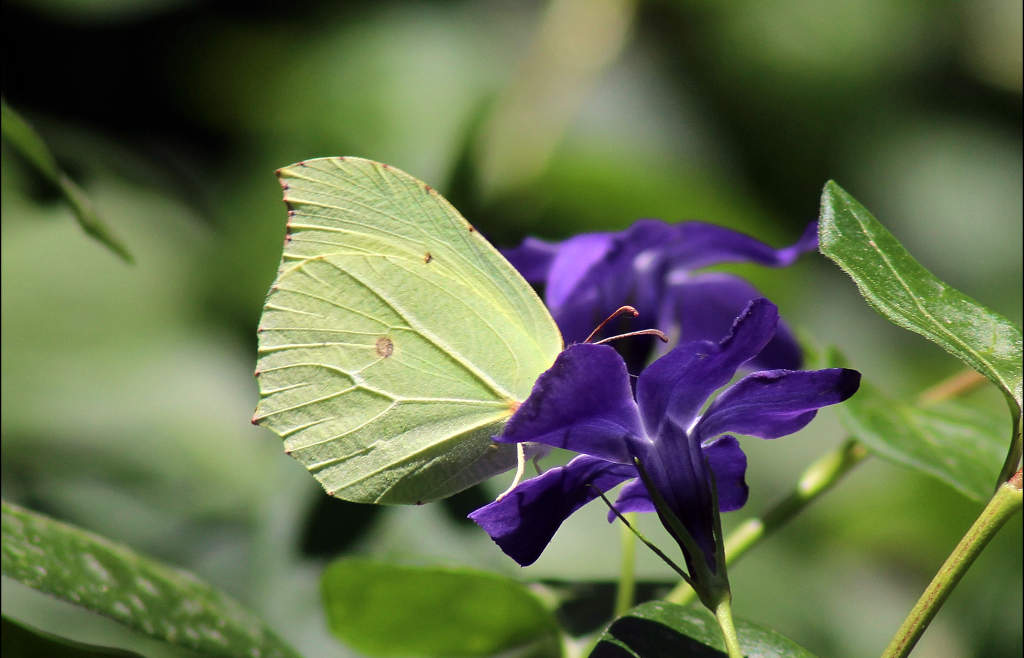
Gonepteryx rhamni – Common Brimstone (click to enlarge)
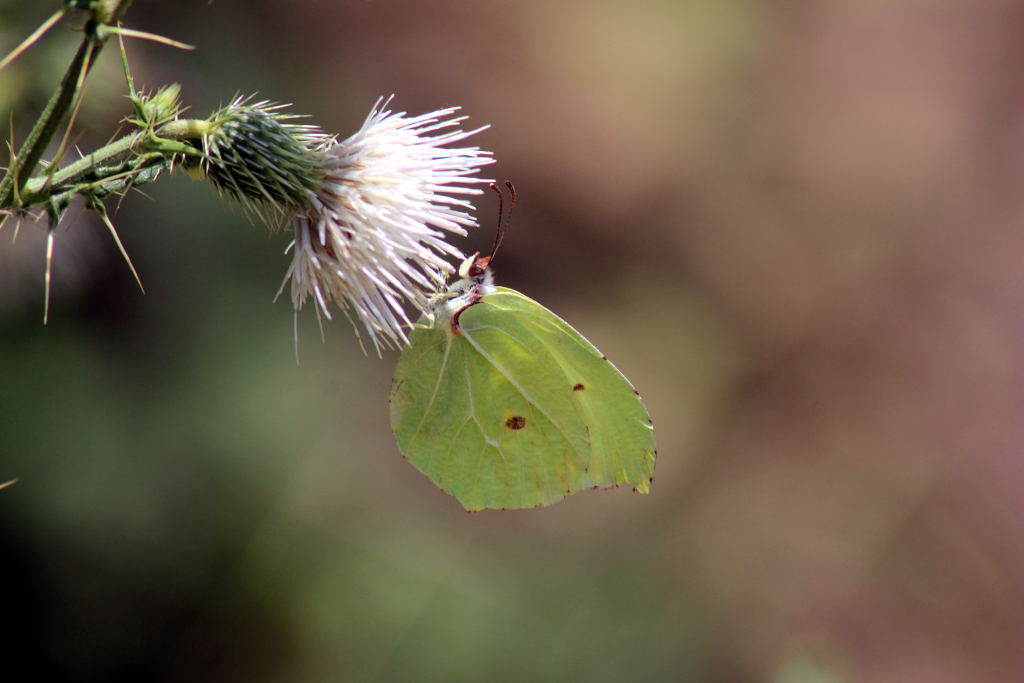
Gonepteryx rhamni – Common Brimestone (3) (click to enlarge)
The male Gonepteryx rhamni is known for its bright yellow coloration, while females display a paler, greenish tint that mimics leaves almost perfectly. Both sexes have prominent leaf-vein markings, providing excellent camouflage when they rest among foliage.
This species thrives in a variety of habitats in GHNP, ranging from open woodlands and meadows to scrubby slopes and riverbanks. The butterfly is typically found between 1,200 to 2,500 meters in elevation, where wildflowers and host plants such as buckthorn (Rhamnus species) are abundant.
Gonepteryx rhamni is especially known for its remarkable hibernation ability. Unlike most butterflies, it can survive cold winters by entering a dormant state, often hiding under leaves or in tree crevices until spring returns.
The life cycle begins when the female lays eggs on the undersides of host plant leaves. Once hatched, the caterpillars feed voraciously before pupating and transforming into adult butterflies. The Common Brimstone is a nectar lover, frequently seen visiting flowers like dandelions, clovers, and thistles in GHNP’s alpine meadows.
As a vital pollinator, Gonepteryx rhamni contributes to maintaining the rich floral diversity of the Himalayas. Its presence in GHNP is a key indicator of a healthy, undisturbed environment.
| Common Name | Common Brimstone |
| Scientific name | Gonepteryx rhamni |
| Family | Pieridae |
| Description | It is having the wingspan of length 60-70mm and common in Great Himalayan National Park. It is found between 1200-2400m altitudinal ranges and prefers open grassy glades to lightly forested hills. The male is bright yellow, female much paler greenish to creamy white. Both sexes have orange spot at the end –cell on each wing on both sides. |