



THE OFFICIAL WEBSITE OF THE GREAT HIMALAYAN NATIONAL PARK
+91 1902 265320
dirghnp@gmail.com
Accessibility
Screen Reader
Decrease Font Size Default Font Size Increase Font Size
Great Himalayan National Park
  • Home
  • About
    • About UNESCO WHS
    • Park Introduction
    • Park History
    • People’s Contribution
    • Facts & Figure
    • Climate
    • Biogeography
    • Flora and Fauna
    • Maps
    • Terrain
      • General Geography
      • Geology
      • Rock and Soil
      • Hydrology
      • Erosion
      • Landslides
  • Destinations
    • Tirthan Valley
    • Sainj Valley
    • Parvati Valley
    • Jiwa Nal Valley
  • Activities
    • Treks
    • Local Sightseeing
    • Season Based Activities
  • Plan
    • Current Conditions
    • Access
    • Fees, Rules and Guidelines
  • Biodiversity
    • Fauna
    • Flora
  • Contact
    • Contact Details
    • Emergency Contacts
  • Book Your Stay
  • Login
Plan Your Trip
Accommodation Trek Permits
Place of Stay
Forest Rest House Shangharh
Forest Rest House Ropa/ Sainj
Forest Complex – Shai Ropa
Rooms
Dormitory
1
2
1
2
3
4
5
6
7
8
9
10
Place of Stay
Forest Rest House Shangharh
Forest Rest House Ropa/ Sainj
Forest Complex – Shai Ropa
Rooms
Dormitory
1
2
1
2
3
4
5
6
7
8
9
10

Traditional Subsistence

The Great Himalayan National Park’s (GHNP’s) management plan is based on a livelihood approach. Conservation of the area is possible only with the active support of local communities, and requires an understanding of the poorest inhabitants’ livelihoods, which have historically depended upon the park’s resources.
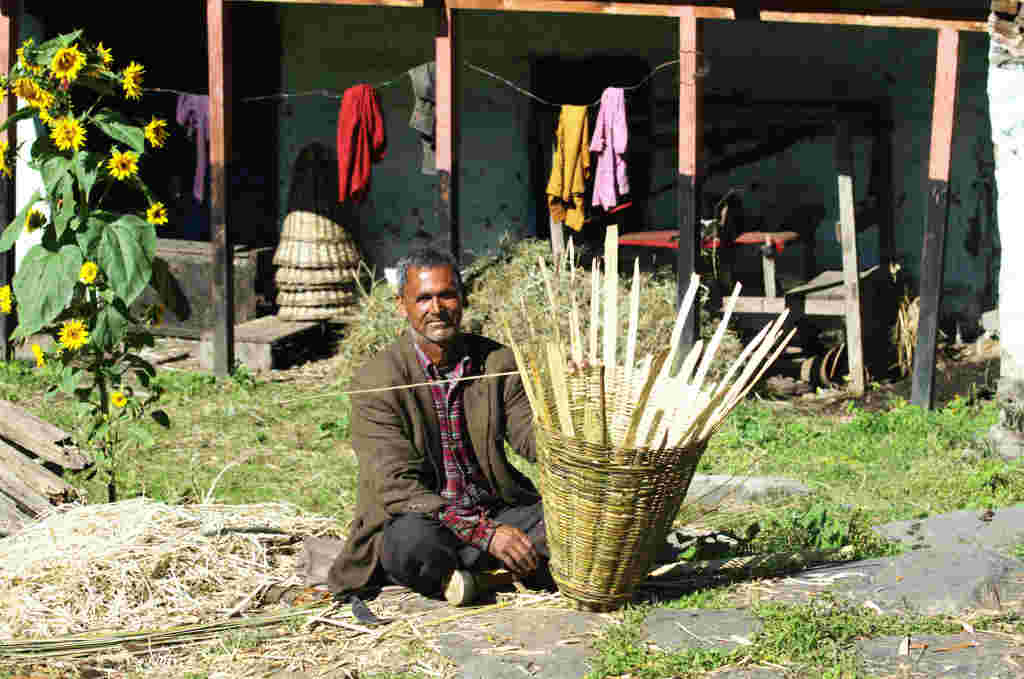
A villager making bamboo basket - Kilta ( Click to enlarge)

A villager making bamboo basket – Kilta ( Click to enlarge)

Before the parks creation, the villagers’ were dependent upon the GHNP area for sheep, goat and cattle grazing, as well as the collection of minor forest produce. An estimated 35,000 sheep and goats grazed in the park during the summer and around 2,500 people used to collect medicinal herb and mushroom, each year.
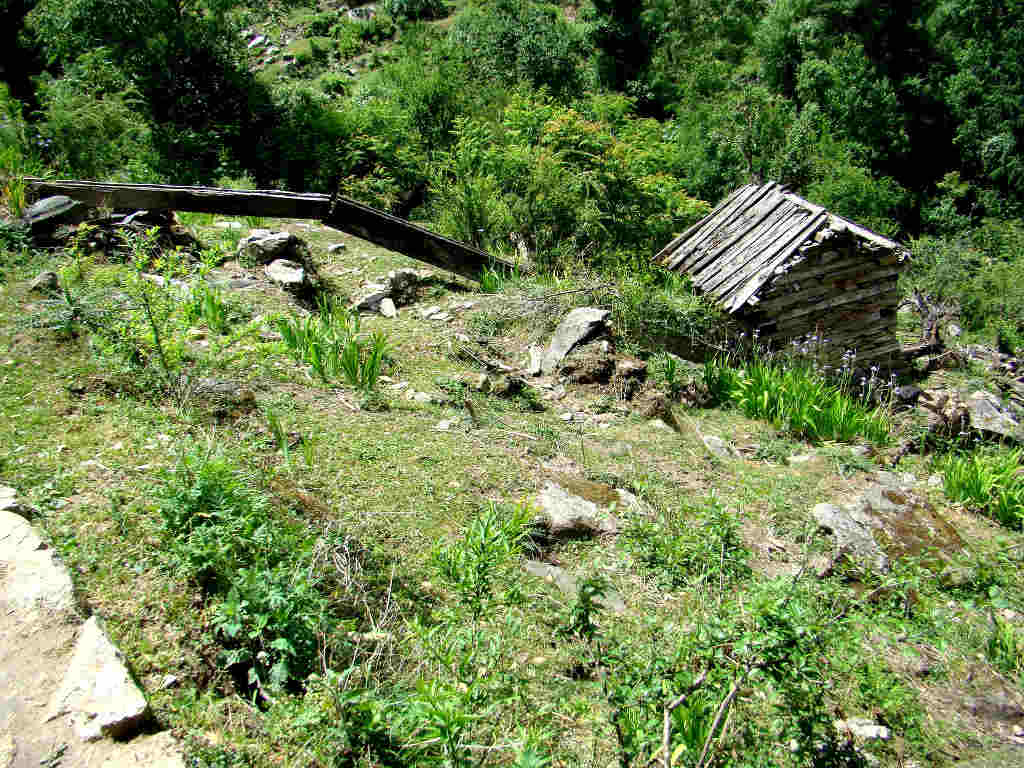
Traditional watermill - Gharat ( Click to enlarge)

Traditional watermill – Gharat ( Click to enlarge)
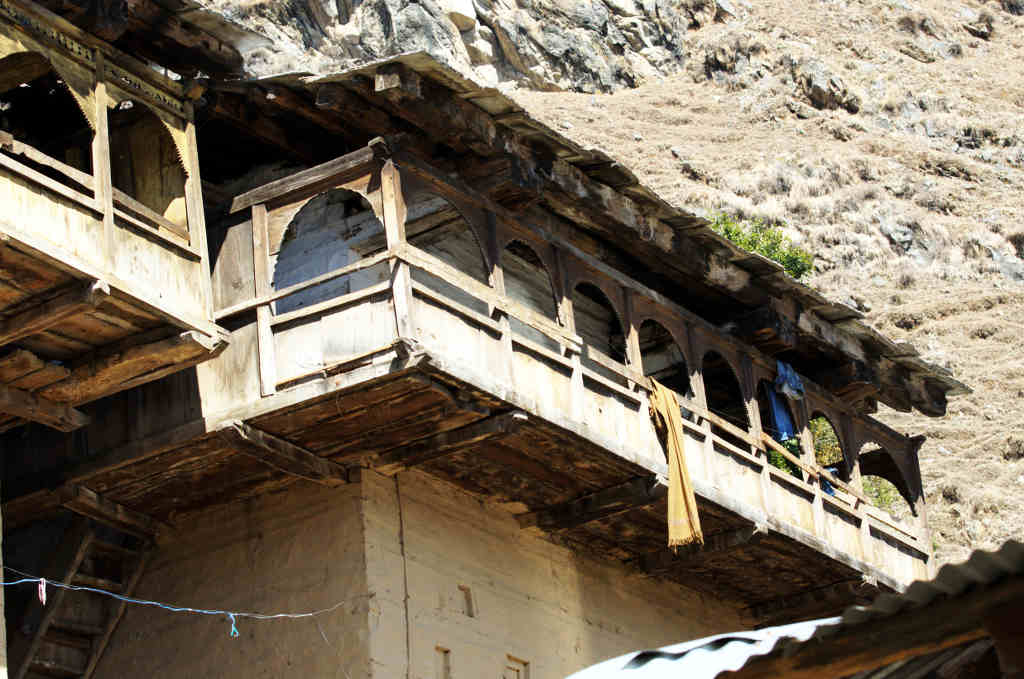
architecture of  Kullu region  - Wood and stone structures ( Click to enlarge)

Traditional architecture of Kullu region – Wood and stone structures ( Click to enlarge)

Official Logo of the
Great Himalayan National Park

Website Related Links
  • Accessibility Statement
  • Downloads and Plug-ins
  • Website Policies
  • Terms & Conditions
  • Disclaimer
  • Credits
  • Help
GHNP Related Links
  • Park Organisation
  • RTI
  • News & Articles
  • Media & Press
  • GHNP’s Blog
External Links
  • India’s Portal
  • Himachal Pradesh’s Portal
  • District Kullu’s Portal
  • Himachal Tourism’s Portal
  • HP Government Holidays
  • Emergency Contacts
Conservation
  • Conservation Overview
  • Known Pressures in GHNP
  • Present Day Scenario
  • Institutional Framework
  • Management Plan
  • Protection Measures
  • Research and Monitoring
  • Conservation Education
Website Designed and Developed in the mountains by
Svaksha Technologies LLP

All Rights Reserved.

Content on this website is published and managed by Great Himalayan National Park Authorities. For any query regarding this website, please contact the Web Information Manager.

Hit Counter 770970

Last Updated 03 September, 2025

Hey! We need something to search for

The search field cannot be left empty. Please enter a valid search term or keyword to help us find the results you’re looking for.