



Picrorhiza kurroa (Karoo)
Picrorhiza kurroa, commonly known as Karoo in local parlance, is a critically valued medicinal plant that thrives in the Great Himalayan National Park (GHNP). Indigenous to the Western Himalayas, this plant is celebrated for its potent hepatoprotective (liver-protecting) properties and deep-rooted significance in Ayurveda and traditional Himalayan medicine.
Natural Habitat in GHNP
Karoo grows in:
-
Moist, rocky slopes and alpine meadows
-
Elevations between 3,000 to 4,500 meters
-
Particularly abundant in Sainj and Jiwa Nal valleys
Its growth in the park underscores GHNP’s rich biodiversity and high medicinal plant density, attracting researchers and herbalists worldwide.
Botanical Features
-
A perennial herb with creeping rhizomes and fibrous roots
-
Bears purple-blue flowers on tall spikes
-
Leaves are coarsely toothed, forming rosettes at the base
-
Blooms during July to September, coinciding with the monsoon
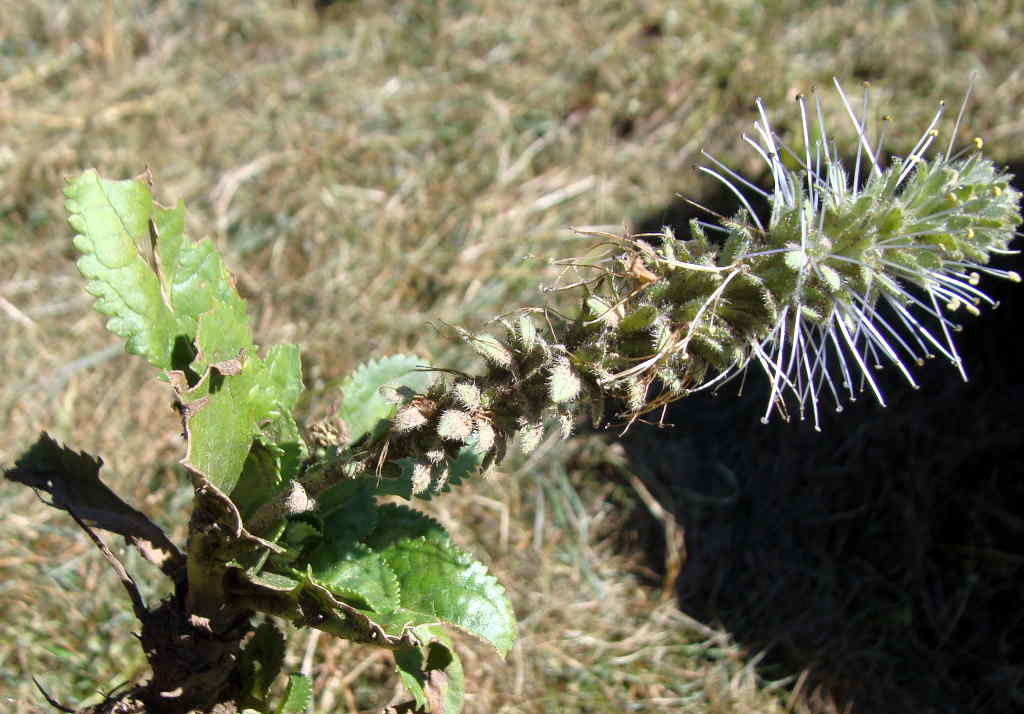
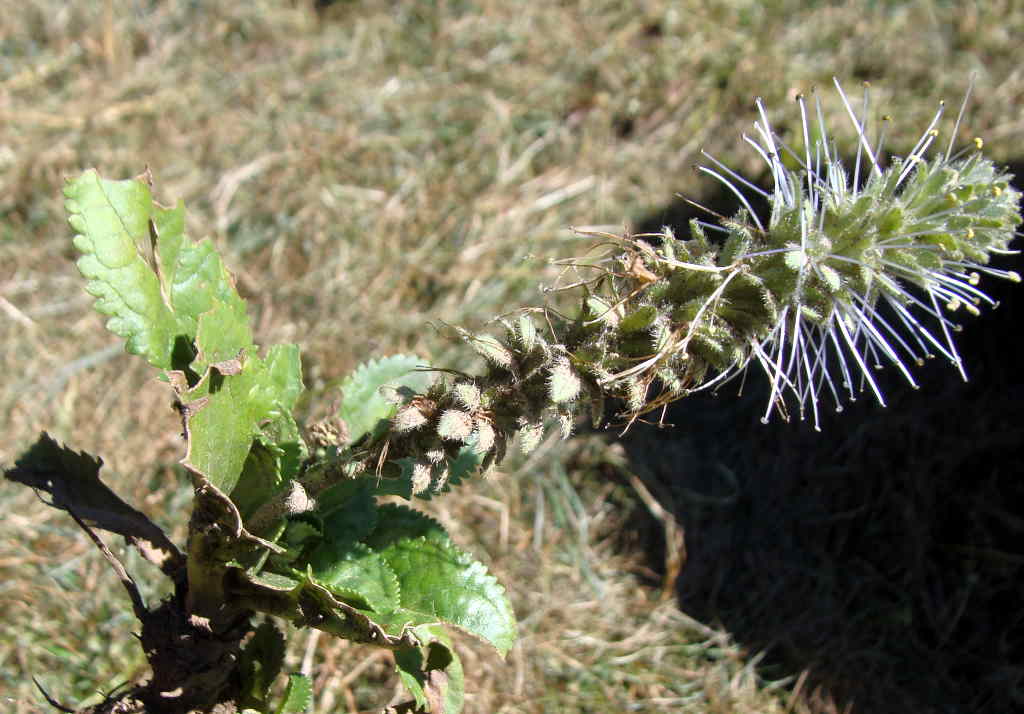
Picrorhiza kurrooa – Karoo ( Click to enlarge)
| Local name | Karoo |
| Botanical name | Picrorhiza kurroa |
| Family | Scrophulariaceae |
| Description and uses | It is an erect, hairy, perennial herb, 15-25 cm tall, with woody rootstock found in the Himalayan region growing at elevations of 3,000 – 5,000 meters. Flowering scapes ascending, stout, hairy, longer than leaves. The best season for flowering and fruiting is June – September. It is frequently found along stream beds and on moist slopes in all the valleys of GHNP. It is a well-known herb in the Ayurvedic system of medicine and has traditionally been used to treat disorders of the liver and upper respiratory tract, reduce fevers, and to treat dyspepsia, chronic diarrhea, and scorpion sting. The root and rhizome of this herb is used to form important ingredient of many preparations of indigenous system of medicine. The stem powder is used as laxative. |
Medicinal Uses and Significance
Picrorhiza kurroa (Karoo) is highly revered for its:
-
Liver tonic properties, especially in treating jaundice, hepatitis, and fatty liver disease
-
Anti-inflammatory and antioxidant effects
-
Uses in Ayurvedic formulations like Kutki churna, Arogyavardhini vati, and Liver supplements
Locals often prepare decoctions from the rhizomes for fever, indigestion, and bronchial issues.
Conservation Concerns
Karoo is threatened by overharvesting due to its high demand in the herbal trade. It is classified as a vulnerable species and is under protection within GHNP. The park encourages community-based conservation programs to sustainably manage and propagate this herb.