

THE OFFICIAL WEBSITE OF THE GREAT HIMALAYAN NATIONAL PARK
+91 1902 265320
dirghnp@gmail.com
Accessibility
Screen Reader
Decrease Font Size Default Font Size Increase Font Size
Great Himalayan National Park
  • Home
  • About
    • About UNESCO WHS
    • Park Introduction
    • Park History
    • People’s Contribution
    • Facts & Figure
    • Climate
    • Biogeography
    • Flora and Fauna
    • Maps
    • Terrain
      • General Geography
      • Geology
      • Rock and Soil
      • Hydrology
      • Erosion
      • Landslides
  • Destinations
    • Tirthan Valley
    • Sainj Valley
    • Parvati Valley
    • Jiwa Nal Valley
  • Activities
    • Treks
    • Local Sightseeing
    • Season Based Activities
  • Plan
    • Current Conditions
    • Access
    • Fees, Rules and Guidelines
  • Biodiversity
    • Fauna
    • Flora
  • Contact
    • Contact Details
    • Emergency Contacts
  • Book Your Stay
  • Login
Plan Your Trip
Accommodation Trek Permits
Place of Stay
Forest Rest House Shangharh
Forest Rest House Ropa/ Sainj
Forest Complex – Shai Ropa
Rooms
Dormitory
1
2
1
2
3
4
5
6
7
8
9
10
Place of Stay
Forest Rest House Shangharh
Forest Rest House Ropa/ Sainj
Forest Complex – Shai Ropa
Rooms
Dormitory
1
2
1
2
3
4
5
6
7
8
9
10
  • Talicada nyseus (Red pierrot)
  • Heliophorus sena (Sorrel Saphire)
  • Issoria lathonia (Queen of Spain Fritillary)
  • Painted Lady(Vanessa cardui)
  • Lycaena panava (White-bordered Copper)

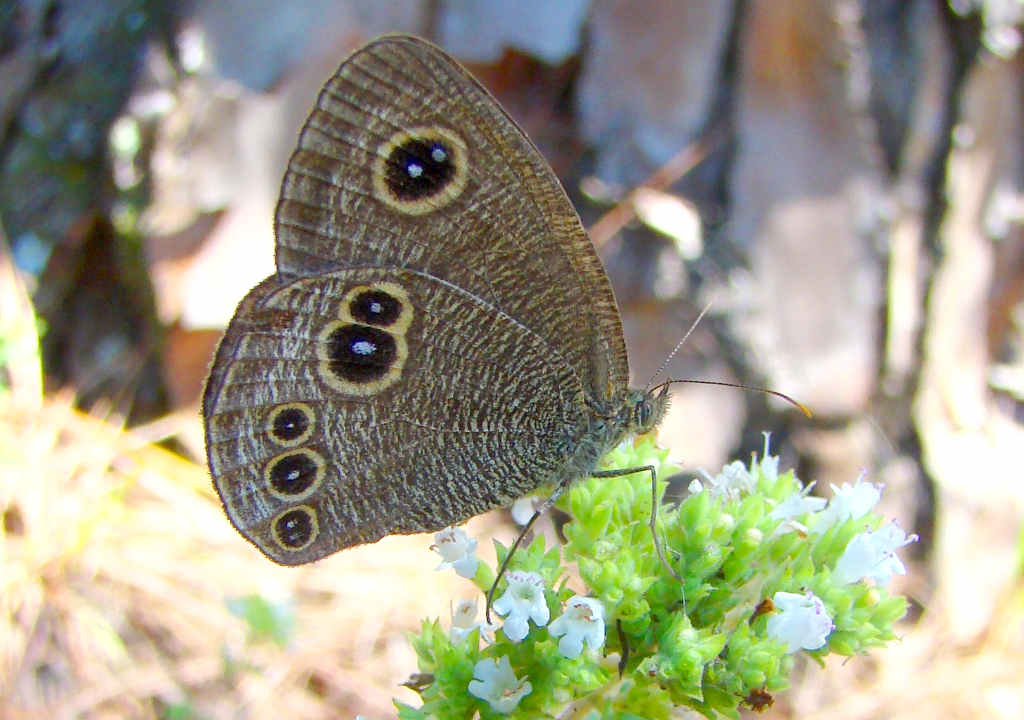
Ypthima baldus (Common Five Ring)

Ypthima baldus - Common Five Ring (click to enlarge)

Ypthima baldus – Common Five Ring (click to enlarge)


Common Name Common Fivering
Scientific name Ypthima baldus
Family Nymphalidae
Description It has upper side brown, both fore and hind wing with terminal margins much darker, and generally with more or less distinct sub-basal and discal dark bands. Fore wing with a large, slightly oblique, oval, bi-pupilled, yellow-ringed black, pre-apical ocellus. Hind wing with two postdiscal, round, uni-pupilled, similar but smaller ocelli, and very often one or two minute tornal ocelli also. Underside similar to the underside in Ypthima philomela but the ochraceous-white ground-colour paler, tin-transverse brown strice coarser, the ocelli on the hind wing more distinctly in echelon, two tornal, two median, and two pre-apical, and on both fore and hind wing more or less distinctly defined, sub basal, discal and sub terminal brown transverse bands. Female: Differs on the upper side in having the area surrounding or bordering the ocelli on both fore and hind wing paler, closely irrorated with brown striae, the discal transverse band generally clearly defined, and very often both the tornal, and at least one of the apical, ocelli distinct. On the underside it is paler than the male, and has the sub basal, discal and sub terminal transverse dark bands more clearly defined. Dry season form: Males and females: Upper side very similar to the above, paler; in the female often the ground-colour ochraceous white, closely irrorated with brown striae ; ocelli as in the wet-season form, but those on the hind wing often non-pupilled. Underside also paler than in the wet-season form, the sub basal, discal and sub terminal bands on the whole more prominent; ocelli on the hind wing reduced to mere specks.

Official Logo of the
Great Himalayan National Park

Website Related Links
  • Accessibility Statement
  • Downloads and Plug-ins
  • Website Policies
  • Terms & Conditions
  • Disclaimer
  • Credits
  • Help
GHNP Related Links
  • Park Organisation
  • RTI
  • News & Articles
  • Media & Press
  • GHNP’s Blog
External Links
  • India’s Portal
  • Himachal Pradesh’s Portal
  • District Kullu’s Portal
  • Himachal Tourism’s Portal
  • HP Government Holidays
  • Emergency Contacts
Conservation
  • Conservation Overview
  • Known Pressures in GHNP
  • Present Day Scenario
  • Institutional Framework
  • Management Plan
  • Protection Measures
  • Research and Monitoring
  • Conservation Education
Website Designed and Developed in the mountains by
Svaksha Technologies LLP

All Rights Reserved.

Content on this website is published and managed by Great Himalayan National Park Authorities. For any query regarding this website, please contact the Web Information Manager.

Hit Counter 771088

Last Updated 03 September, 2025

Hey! We need something to search for

The search field cannot be left empty. Please enter a valid search term or keyword to help us find the results you’re looking for.